Recipes: Levain Breads and Minnesota Staples
Our recipes are written for home kitchens in a northern climate. Each one gives weights rather than cups for flour, temperatures in Celsius and Fahrenheit, a timetable, the signs to look for at every step and the food-safety advice that goes with it. The bread recipes use a levain, a natural leaven made from a sourdough starter.
Bread and soup recipes
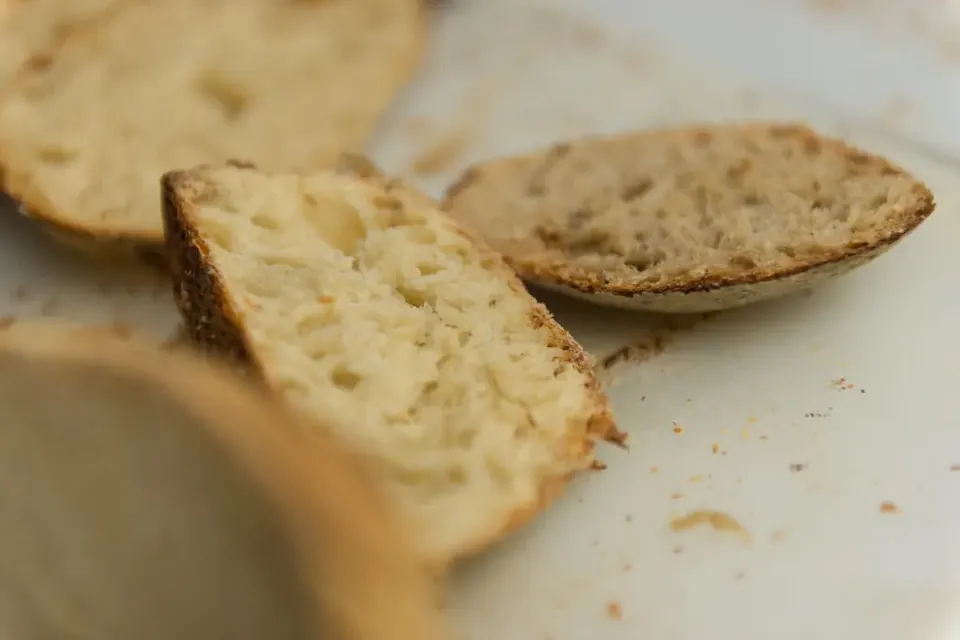
- Country levain loaf
Bread flour, a little whole wheat, water, salt and levain: a two-day timetable with every step explained, from building the levain to the overnight cold proof and baking in a covered pot.
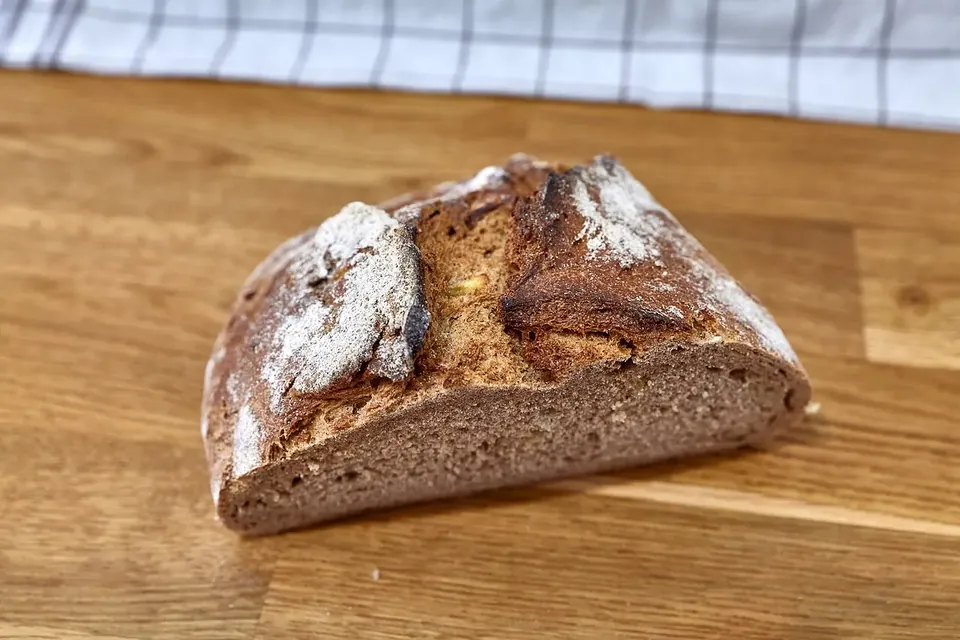
- Rye levain loaf (40% rye)
A rye sour, a sticky dough and a loaf tin: a moist, tangy sandwich loaf in the northern European tradition, with notes on why rye needs acidity.
- Minnesota wild rice soup
The state's comfort soup: how to cook hand-harvested and cultivated wild rice, then a creamy soup with chicken or mushrooms, and how to store it safely.
Before you bake
If you have never baked with a levain, three short guides will save you a lot of trial and error:
- How to make and keep a sourdough starter: the culture every levain recipe begins with, fed from flour and water over about a week.
- What is levain?: the vocabulary (starter, levain, hydration) and what the yeasts and bacteria actually do.
- Minnesota wheat and flour: how protein, whole grain and rye change a dough, and how to read a bag of flour.
Reading our recipes
Baker's percentages
Bread recipes list each ingredient as a percentage of the total flour weight, so the flour is always 100%. A dough with 500 g of flour and 375 g of water is at 75% hydration; 10 g of salt is 2%. Percentages make it easy to scale a recipe up or down and to compare one recipe with another.
Temperatures and timings
Fermentation depends on temperature far more than on the clock. Our timings assume a kitchen at about 24°C (75°F). In a cooler house, especially in a Minnesota winter, every stage takes longer; our guide to baking levain in a cold kitchen shows how to calculate the water temperature for a target dough temperature and where to keep dough warm safely.
Food safety
Flour is a raw ingredient, so we never suggest tasting raw dough (see the FDA's advice). Recipes with poultry or leftovers follow the USDA Food Safety and Inspection Service guidance on safe internal temperatures and storing leftovers.
Cooking with the season
Many of our recipes pair naturally with what is at Twin Cities markets: wild rice in autumn, root vegetables and storage crops in winter, ripe tomatoes on levain toast in August. Our seasonal produce calendar and 2026 farmers market guide help you plan.