Minnesota Wheat and Flour: What Hard Red Spring Wheat Means for Your Bread
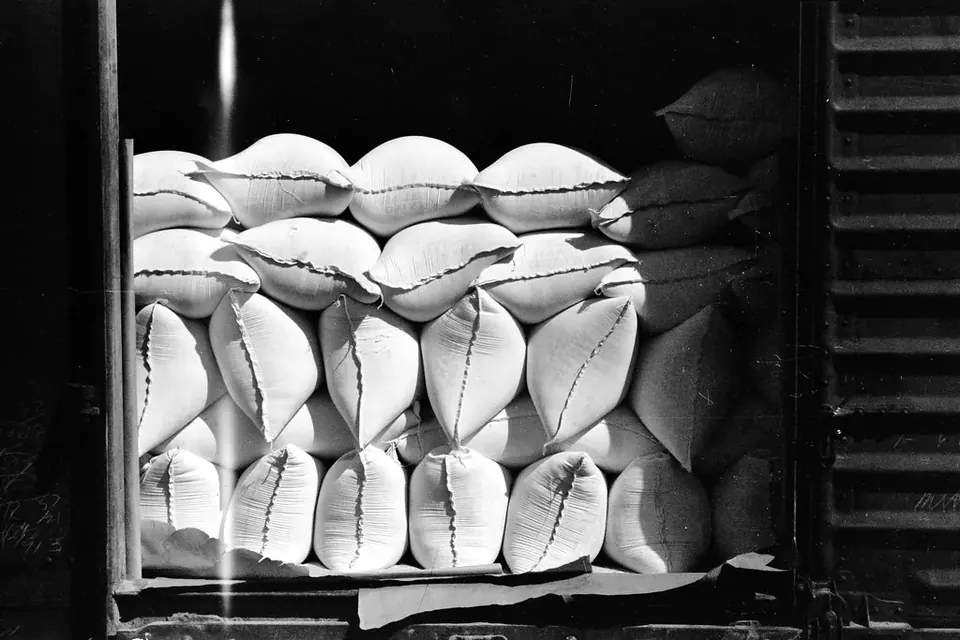
Minneapolis built its fortune on flour, and Minnesota still grows the kind of wheat that bakers value most for bread. Knowing a little about wheat classes, protein and milling helps you pick the right bag for a levain loaf, understand why recipes behave differently with different flours, and make sense of the labels.
Why spring wheat?
In most of the US wheat belt, farmers sow winter wheat in autumn; it sprouts, survives the winter under snow and is harvested early the following summer. Much of Minnesota and the northern Plains is too cold for that, so farmers sow in spring and harvest in late summer. That is spring wheat. Minnesota's crop is concentrated in the north-west of the state, especially the Red River Valley along the border with North Dakota, which is the largest producer of spring wheat in the country. Annual acreage, yields and prices are published by the USDA National Agricultural Statistics Service, and the Minnesota Wheat Research & Promotion Council follows the crop for growers.
The Official United States Standards for Grain, administered by the USDA's Federal Grain Inspection Service, divide wheat into classes that include hard red spring, hard red winter, soft red winter, hard white, soft white and durum. The hard red spring class typically has the highest protein of the bread wheats, and its strong gluten is why millers blend it into bread flours. The 1870s milling innovations that made Minneapolis flour famous were, in large part, ways of getting a clean, white flour out of this hard spring grain, as our Mill District history explains.
Protein and gluten: the number that matters most
When flour is mixed with water, two groups of proteins (glutenins and gliadins) form gluten, an elastic network that traps the gas produced by yeast. More protein generally means more gluten, which means a dough that can hold more water and rise taller. Typical ranges in the US are:
| Flour | Typical protein | Good for |
|---|---|---|
| Cake and pastry flour | about 7–9% | Tender cakes, biscuits, pastry |
| All-purpose flour | about 10–12% | General baking; workable for bread |
| Bread flour | about 12–14% | Yeasted and levain breads, bagels, pizza |
| Whole wheat flour | about 13–14% | Flavour and nutrition; gluten is weakened by the bran |
| Whole rye flour | about 9–11% | Rye breads; forms little gluten |
Exact figures vary by brand and harvest; the protein per serving on the US Nutrition Facts panel gives a rough guide (about 4 g per 30 g serving is roughly 13%). For the composition of standard flours, the USDA's FoodData Central database is the reference.
Reading the bag
- Enriched. Under US federal standards of identity, enriched flour has thiamin, riboflavin, niacin, folic acid and iron added back after milling. It bakes the same as unenriched flour.
- Bleached or unbleached. Bleaching whitens flour and changes its baking properties slightly; for bread, and especially for a levain, most bakers prefer unbleached.
- Bromated. Some US flours contain potassium bromate, an oxidiser that strengthens dough. It is not needed for home bread, and many bakers avoid it; the ingredients list will say if it is there.
- Malted. A small amount of malted barley flour is often added to provide enzymes that help yeast and crust colour.
- Whole wheat or whole grain. Contains the bran, germ and endosperm. It absorbs more water and ferments faster, and its oils mean it keeps less well: store it in the fridge or freezer if you will not use it within a few months.
- Stone-ground. Milled between stones rather than steel rollers, usually from whole grain, often by small regional mills.
Choosing flour for a levain loaf
For a first country levain loaf, use an unbleached bread flour of about 12–13% protein for most of the dough, with 10–20% whole wheat for flavour. Higher-protein flour lets you add more water for a more open crumb, but it also needs more mixing and more folding. All-purpose flour works; reduce the water by a few percent so the dough is not slack.
Whole grains change fermentation. Bran and germ carry more minerals, enzymes and microbes, so doughs with a high share of whole wheat or rye rise and sour faster. If you increase the whole grain in a recipe, expect to shorten the bulk fermentation and add a little more water. Rye, which forms little gluten, behaves differently enough to have its own recipe: see our rye levain loaf.
Kernza and other local grains
Minnesota is also a centre of research on new grains. Kernza is the trade name for the grain of intermediate wheatgrass, a perennial relative of wheat that stays in the ground for several years and develops deep roots, which researchers are studying for its potential to reduce erosion and nitrate leaching. The University of Minnesota released its first Kernza variety, MN-Clearwater, in 2019 as part of its Forever Green Initiative. Kernza flour is low in strong gluten, so bakers usually blend 10–30% of it with bread flour. Small regional mills in the Upper Midwest also offer stone-ground and heritage wheats; look for them at farmers markets and co-ops.
Raw flour is a raw food
Flour is not treated to kill bacteria. Outbreaks of illness linked to raw flour have led the FDA and CDC to advise against eating raw dough or batter, and to keep flour away from ready-to-eat foods. See the FDA's advice.
Sources
- USDA Agricultural Marketing Service: United States Standards for Wheat (PDF).
- USDA National Agricultural Statistics Service: Minnesota statistics.
- USDA: FoodData Central.
- University of Minnesota: Forever Green Initiative (Kernza).
- Minnesota Wheat Research & Promotion Council.
- US Food and Drug Administration: Handling flour safely.
 Neighbourhoods
Mill City: how flour built Minneapolis
From the 1878 Washburn A Mill explosion to the Mill City Museum: the flour story behind the city's riverfront.
 Bread & levain
What is levain?
Starter, levain, sourdough: what the words mean, what the microbes do and why the bread tastes the way it does.
 Recipes
Rye levain loaf
A rye sour, a sticky dough and a loaf tin: a tangy, moist sandwich loaf in the northern European tradition.