Neighbourhoods
Histories and food streets of Minneapolis neighbourhoods, from Linden Hills to Northeast, sourced to city and historical-society records.
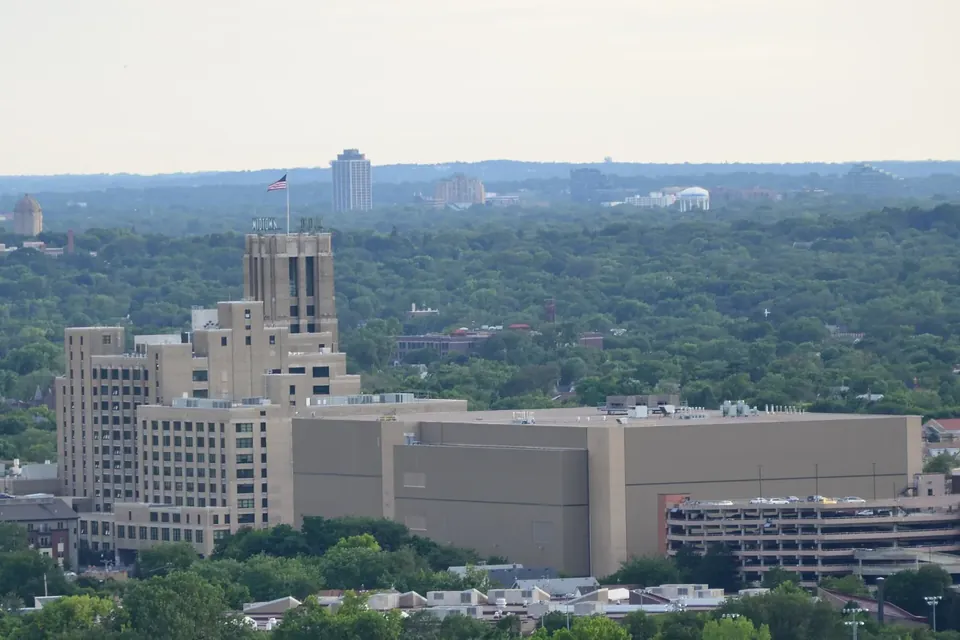
- Lake Street, Minneapolis: A Food Corridor Shaped by Streetcars, a Sears Tower and New Arrivals
The history of Lake Street as a Minneapolis food and shopping corridor: streetcar origins, the 1928 Sears building turned Midtown Exchange and Global Market, immigrant-owned markets, rebuilding after 2020, the Midtown Greenway and the METRO B Line.
- Linden Hills, Minneapolis: How a Streetcar Neighbourhood on Lake Harriet Grew Its Village Feel
A sourced history of Linden Hills in southwest Minneapolis: lakeside cottages, the Como-Harriet streetcar, the 1920s shopping streets at 43rd and Upton, the bandshell and library, and how to explore its food streets today.
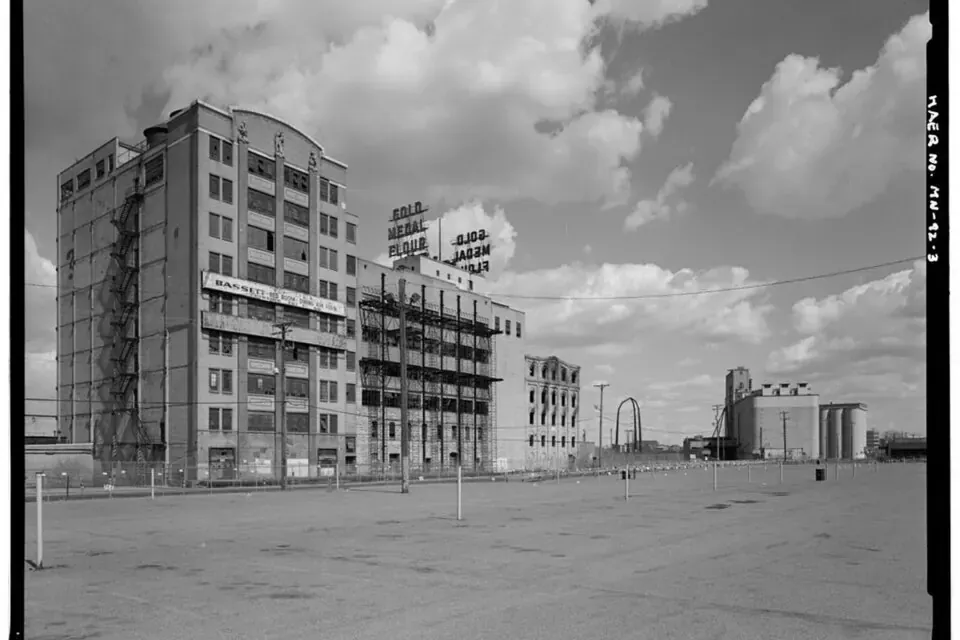
- Mill City: How Flour Built Minneapolis, and Where to See the Mills Today
The history of flour milling at St. Anthony Falls: the Washburn A Mill, the 1878 explosion, new milling technology, the decline of the 1960s and the Mill City Museum, with a walking route through today's Mill District.
- Northeast Minneapolis: Mill Workers, Immigrant Churches, a Brewery and the Food Culture of "Nordeast"
How Northeast Minneapolis grew from the old town of St. Anthony into a neighbourhood of Polish, Ukrainian, Slovak and other immigrant communities, what the Grain Belt brewhouse and the churches tell us, and how to explore its food streets.