Minnesota Seasonal Produce Calendar: What Is Fresh, Month by Month
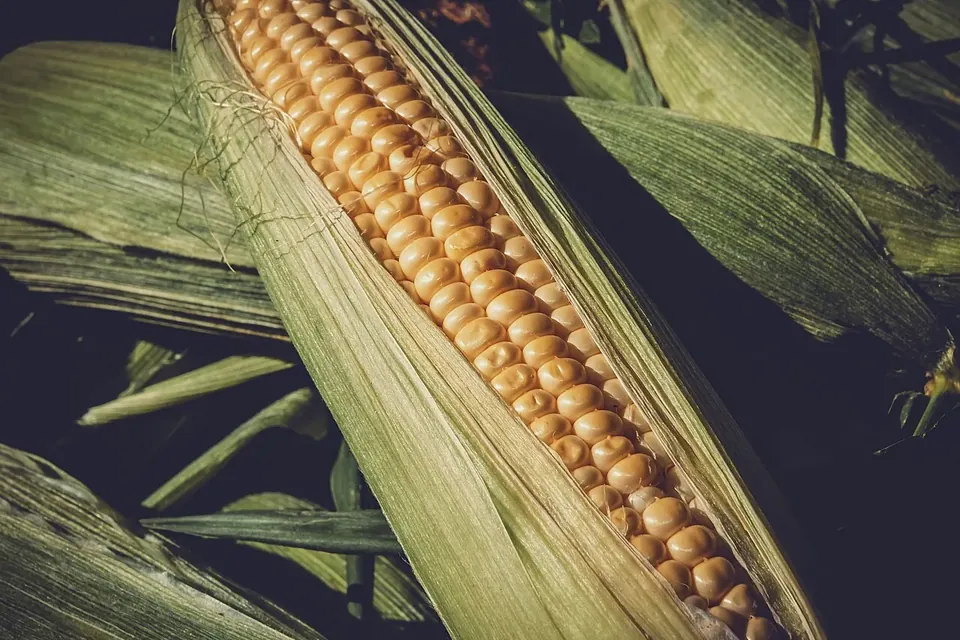
Minnesota's growing season is short and intense. Snow can linger into April and frost return in early autumn, so the local harvest arrives in a rush between late spring and October. Knowing what comes when helps you shop the farmers markets well, plan your baking and cooking, and put some of summer away for winter.
Why the season is short
Minnesota has a continental climate: cold winters, warm summers and quick transitions in between. In the Twin Cities, the average last spring frost falls around early to mid-May and the first autumn frost around late September to early October; further north, the frost-free season is shorter. The University of Minnesota Extension publishes frost-date and planting guidance for gardeners across the state, and the Minnesota State Climatology Office at the DNR keeps the climate records. Growers stretch the season with greenhouses, high tunnels and cold storage, which is why some markets have greens and tomatoes early and potatoes and onions late.
Month by month
The calendar below gives typical peak availability at Twin Cities markets. It is a guide, not a guarantee: a cool spring delays strawberries, a hot summer brings sweet corn early. The Minnesota Department of Agriculture's Minnesota Grown programme publishes its own availability information and a directory of farms.
| Month | What to look for |
|---|---|
| April | Greenhouse greens, microgreens, maple syrup, eggs, meat, stored potatoes and onions |
| May | Rhubarb, asparagus, radishes, spring onions, early lettuce, herbs, bedding plants |
| June | Strawberries, peas, lettuce and greens, spinach, kohlrabi, garlic scapes, rhubarb |
| July | Raspberries, blueberries, cherries, new potatoes, beans, cucumbers, zucchini, early sweet corn, beets, carrots |
| August | Sweet corn, tomatoes, peppers, eggplant, melons, plums, early apples, garlic, onions |
| September | Apples, pears, grapes, fall raspberries, winter squash, potatoes, cabbage, leeks, wild rice |
| October | Apples, pumpkins and squash, root vegetables, Brussels sprouts, kale, cabbage |
| November–March | Stored apples, potatoes, onions, carrots, squash; greenhouse greens; meat, eggs, dairy, honey, wild rice |
Minnesota's own apples
The University of Minnesota has bred apples for cold climates for more than a century, and several of its varieties are now grown far beyond the state. The best known is Honeycrisp, introduced by the university in 1991 after decades of testing, and named Minnesota's official state fruit in 2006. Older university varieties such as Haralson, a tart, firm apple long prized for pies, are still common at orchards and markets. The University of Minnesota's Minnesota Hardy programme describes its fruit varieties and their seasons. Early apples appear in August; the main harvest runs from September into October, and many orchards around the Twin Cities open for picking. Check each orchard's own site for dates.
Cooking and baking with the season
- Spring: rhubarb for crisps and compotes, asparagus with eggs, radishes on buttered bread.
- Summer: sweet corn boiled or grilled the day it is picked, tomatoes with good bread, berry tarts. A slice of country levain with ripe tomato and salt is hard to beat.
- Autumn: apple cakes and pies, roasted squash, cabbage and potato soups, and wild rice in salads and stuffings.
- Winter: storage vegetables in soups and stews, such as our wild rice soup, with a rye loaf on the side.
Community supported agriculture
If you want the season delivered rather than hunted down, consider a CSA (community supported agriculture) share. You pay a farm at the start of the year and in return receive a box of whatever it harvests each week, usually from June to October, collected at a pick-up point in your neighbourhood or at the farm. Shares typically include more of each crop at its peak than you would buy at a market, so they encourage cooking with the season: a glut of zucchini in July, tomatoes in August, squash in October. Some farms offer half shares, winter storage shares or add-ons such as eggs, bread or flowers. The Minnesota Grown directory lists CSA farms that serve the Twin Cities, with their pick-up sites. Before you sign up, ask how many weeks the season runs, what a typical box contains in June and in September, and what happens if a crop fails.
Storing the harvest
Different crops want different conditions. Apples keep for weeks or months cold and humid in the refrigerator crisper; potatoes like cool, dark, ventilated storage but not the fridge; onions and garlic want cool, dry air; winter squash keeps well at cool room temperature. Tomatoes and sweet corn are best eaten quickly. Wash produce under running water just before eating rather than before storing it, as the US Food and Drug Administration recommends.
Preserving safely
Freezing, drying, fermenting and canning let you eat local produce through the winter. Home canning in particular has rules that matter: low-acid foods such as beans, corn and most vegetables must be processed in a pressure canner to prevent botulism, and tested recipes should be followed exactly. Use the USDA's National Center for Home Food Preservation recipes and the University of Minnesota Extension's food safety and preservation guides, which also offer pressure-canner gauge testing advice. Avoid untested recipes from social media for canned foods.
Shopping the season well
- Ask growers what is at its peak this week; they know before any calendar does.
- Buy "seconds" (cosmetically imperfect produce) for jam, sauce and soup.
- Plan baking around fruit: rhubarb in May, strawberries in June, apples in autumn.
- Find markets near you in our 2026 farmers market guide.
Sources
- Minnesota Department of Agriculture: Minnesota Grown.
- University of Minnesota Extension: gardening and food guides; food safety and preservation.
- University of Minnesota: Minnesota Hardy (Honeycrisp and other varieties).
- National Center for Home Food Preservation (USDA-supported): tested home canning recipes.
- Minnesota DNR: State Climatology Office.
 Markets & seasons
Twin Cities farmers markets, 2026
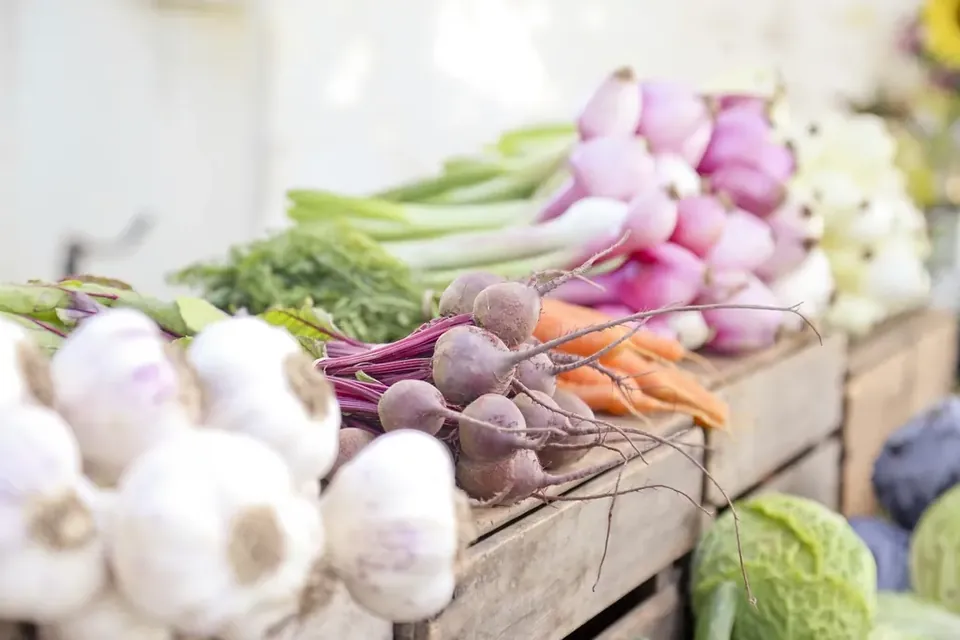
The big markets and the neighbourhood ones, with their published 2026 days, hours, addresses and winter schedules.
 Markets & seasons
Wild rice, or manoomin
An aquatic grass, a sacred food and a state grain: how wild rice is harvested by canoe, processed and cooked.
 Recipes
Minnesota wild rice soup
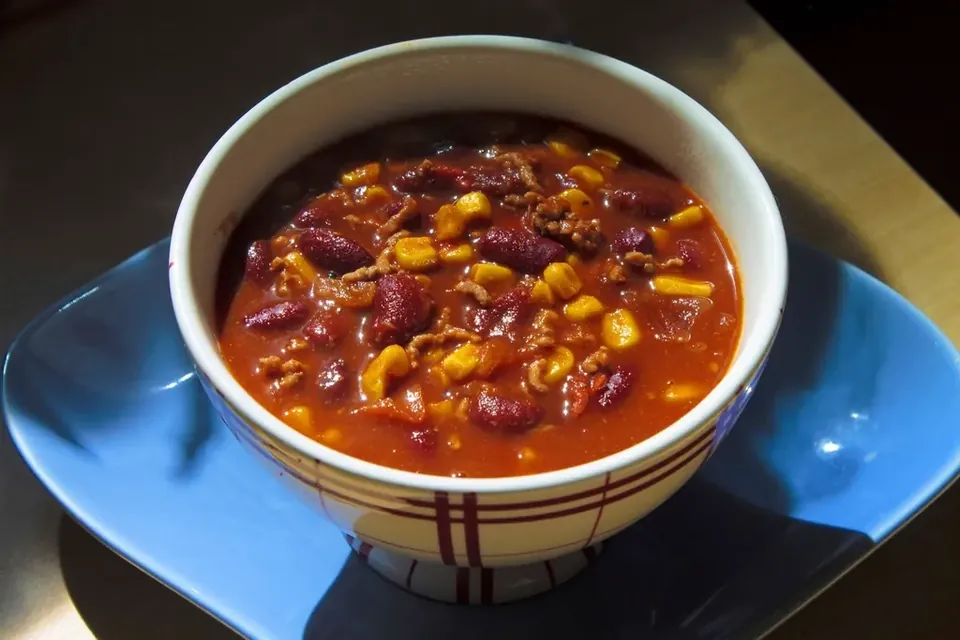
Wild rice, vegetables, stock and a little cream: the state's comfort soup, with a vegetarian option and cooking times.