Twin Cities Farmers Markets in 2026: Days, Hours, Locations and Winter Markets
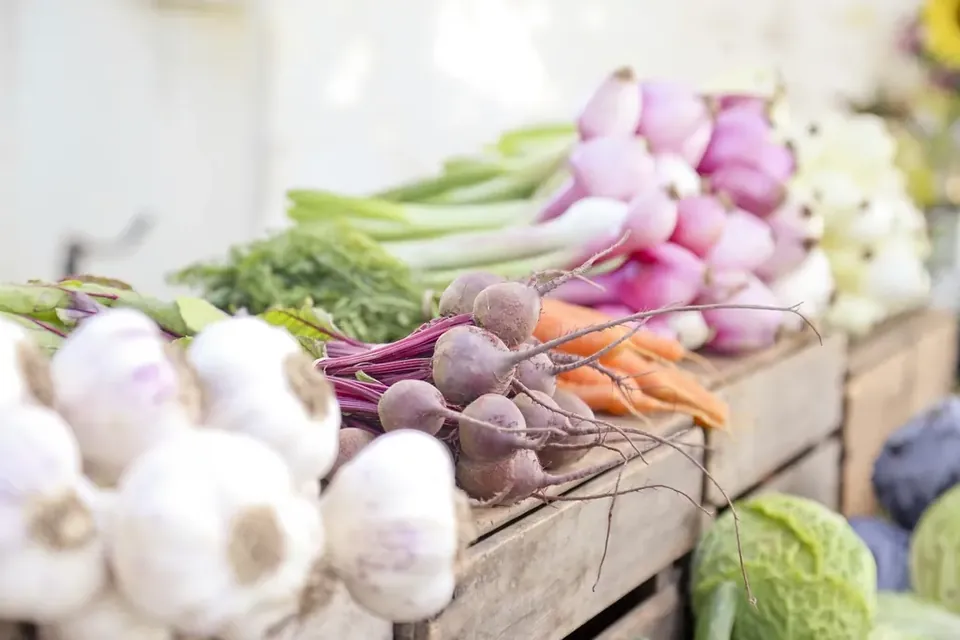
The Twin Cities have one of the richest farmers market scenes in the Upper Midwest, from big regional markets open several days a week to small neighbourhood markets that set up in a parking lot on Sunday mornings. This guide gathers the published schedules for the 2026 season, plus the winter markets that keep going once the snow arrives.
Dates and hours below are those published by the markets or in local listings for the 2026 season, as checked in October 2026. Markets can change hours for weather, holidays or construction. Confirm on each market's site before making a trip.
The big three
Minneapolis Farmers Market (Lyndale)
The city's largest market sits just west of downtown, under long open-sided sheds at 312 East Lyndale Avenue North, near the junction of Interstates 94 and 394. For 2026, published listings gave summer hours of 7 a.m. to 1 p.m. Wednesday to Friday and 6 a.m. to 1 p.m. on Saturday and Sunday, with the summer season running from spring to the end of October. A separate Farmers Market Annex, at 200 East Lyndale Avenue North, was listed for weekends from 25 April to 25 October, 7 a.m. to 1 p.m. The market's site is mplsfarmersmarket.com.
Mill City Farmers Market
Next to the Mill City Museum and the Guthrie Theater at 750 South 2nd Street, this Saturday market concentrates on local and sustainably produced food. Its published schedule: Saturdays, May to September, 8 a.m. to 1 p.m.; October, 9 a.m. to 1 p.m., with the last outdoor markets of 2026 on 24 and 31 October. From 7 November, it moves indoors to the Mill City Museum lobby (2nd Street entrance) on the first and third Saturdays, November to April, 9 a.m. to 1 p.m. See millcityfarmersmarket.org. Our Mill District guide explains the history of the riverfront around it.
Saint Paul Farmers' Market (Lowertown)
Saint Paul's market, whose motto is "Locally Grown Since 1854", sets up in Lowertown at 290 East 5th Street. Its site lists the market as open every Saturday, 7 a.m. to 1 p.m., and every Sunday, 8 a.m. to 1 p.m., with an indoor market at 308 Prince Street East and free parking nearby at 420 Prince Street East. It says everything sold is grown locally or made by local producers. It also runs smaller satellite markets around the metro area; see stpaulfarmersmarket.com.
Neighbourhood markets in Minneapolis
These smaller markets are run by neighbourhood associations and volunteers. The table uses the 2026 schedules published in local listings, notably FOX 9's 2026 market guide.
| Market | 2026 season | Day and hours | Location |
|---|---|---|---|
| Kingfield | 17 May – 25 Oct | Sundays, 8:30 a.m.–1 p.m. | 4055 Nicollet Ave |
| Linden Hills | May – Oct | Sundays, 10 a.m.–1 p.m. | 2813 W 43rd St |
| Northeast Minneapolis | 9 May – 10 Oct | Saturdays, 9 a.m.–1 p.m. | 629 2nd St NE |
| Midtown | May – Oct | Saturdays, 9 a.m.–1 p.m. | 2225 E Lake St |
| Nokomis | 17 June – 30 Sept | Wednesdays, 4–7:30 p.m. | 5167 Chicago Ave |
| Four Sisters | 5 June – 31 Oct | Thursdays, 11 a.m.–3 p.m. | 1414 E Franklin Ave |
| Audubon (mini market) | 25 June – 24 Sept | Thursdays, 4–7 p.m. | 2800 Johnson St NE |
The Northeast Minneapolis market also listed indoor markets on the first Sunday of each month from November to April, 10 a.m. to 2 p.m. For neighbourhood context, see our guides to Linden Hills, Northeast and Lake Street.
Winter markets
Minnesota's markets do not all close when the outdoor season ends. For the winter of 2026–2027, the Mill City Farmers Market moves into the Mill City Museum lobby on the first and third Saturdays from November to April, the Northeast Minneapolis market listed indoor markets on the first Sunday of each month, and the Saint Paul Farmers' Market keeps a Lowertown indoor market. Winter stalls carry storage vegetables such as potatoes, onions, carrots, squash and cabbage, apples from cold storage, greenhouse greens, meat, eggs, cheese, honey, maple syrup, wild rice and baked goods. They are smaller and quieter than summer markets, which makes them a good time to talk with producers about what they grow and when it will be back.
Finding other markets
Dozens of other markets operate in the suburbs and across the state. The Minnesota Department of Agriculture's Minnesota Grown directory lets you search markets, farms, orchards and community-supported agriculture (CSA) farms by location.
Paying with SNAP/EBT
Many Twin Cities markets accept SNAP/EBT cards, and a number take part in Minnesota's Market Bucks programme, which matches SNAP spending on fruit and vegetables up to a set amount, run with Hunger Solutions Minnesota. Ask at the market information booth, where EBT cards are usually processed, and check Hunger Solutions Minnesota for participating markets.
What you will find, month by month
Early markets in May bring greenhouse plants, asparagus, rhubarb, eggs, meat, honey and baked goods. June adds strawberries and early greens; July and August are the peak, with sweet corn, tomatoes, peppers, cucumbers, melons and blueberries; September and October bring apples, squash, potatoes, onions and, in good years, hand-harvested wild rice. Our Minnesota seasonal produce calendar has the details, and our guide to wild rice explains how to read its labels.
Tips for market mornings
- Go early for the best choice, late for the best deals.
- Bring bags, small bills and a cool bag for meat, dairy and eggs in summer.
- Ask growers how and where something was grown; at most markets the people behind the table are the producers.
- Keep raw meat separate from produce, and refrigerate perishables within two hours (one hour above 32°C / 90°F), as the USDA recommends.
Sources
- Mill City Farmers Market: 2026 schedule and indoor market.
- Saint Paul Farmers' Market: days, hours and locations.
- Minneapolis Farmers Market.
- FOX 9: Minneapolis farmers market guide 2026.
- Minnesota Department of Agriculture: Minnesota Grown.
- USDA FSIS: The "danger zone".
 Markets & seasons
Seasonal produce calendar
Rhubarb in May, strawberries in June, sweet corn in August, apples in autumn: a month-by-month guide to the Minnesota harvest.
 Markets & seasons
Wild rice, or manoomin
An aquatic grass, a sacred food and a state grain: how wild rice is harvested by canoe, processed and cooked.
 Neighbourhoods
Mill City: how flour built Minneapolis
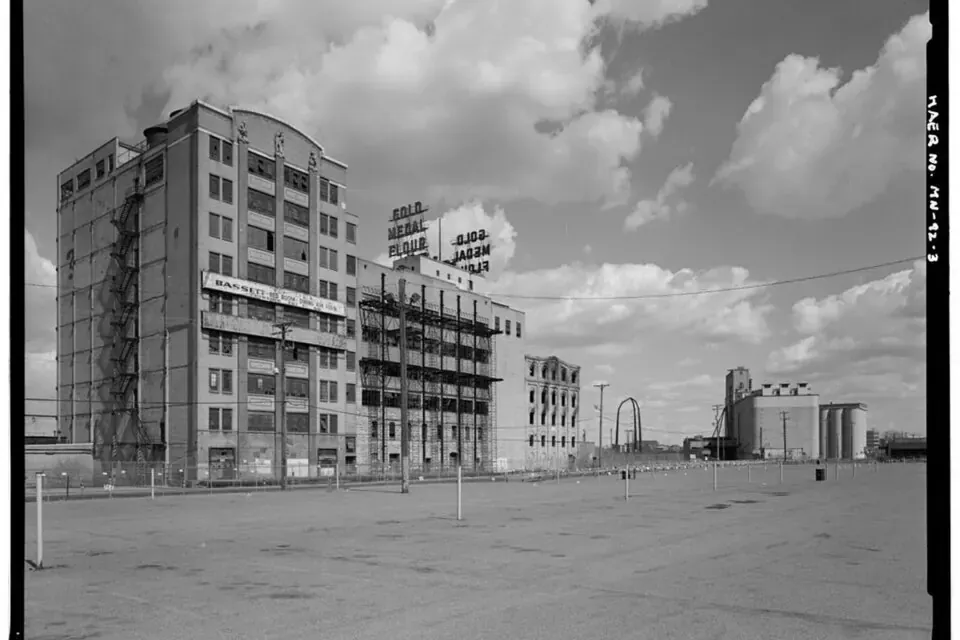
From the 1878 Washburn A Mill explosion to the Mill City Museum: the flour story behind the city's riverfront.