Baking Levain Bread in a Cold Minnesota Kitchen: Temperature, Timing and Warm Spots
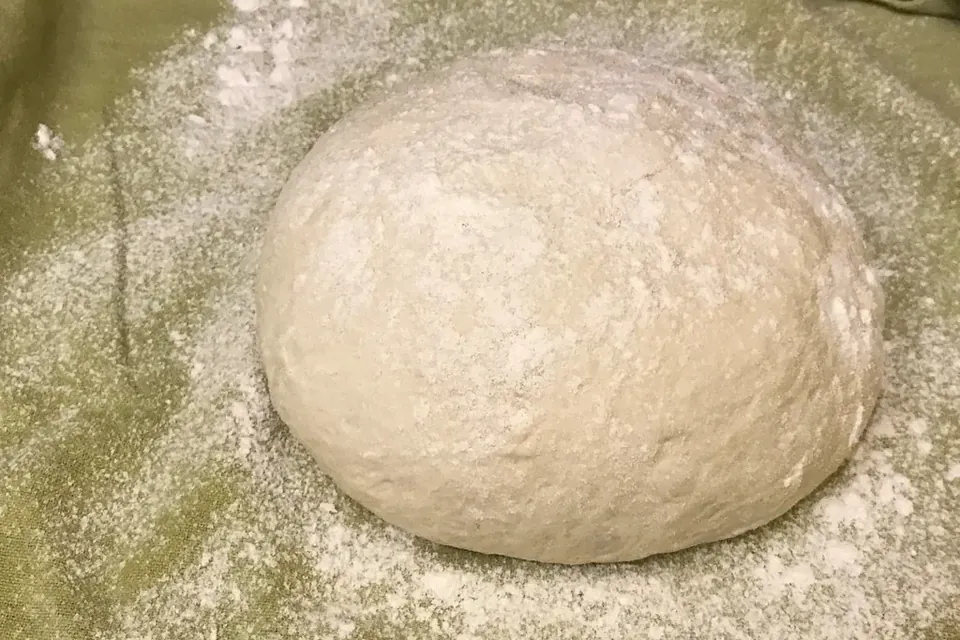
Minnesota winters are long, and many homes sit at 18–20°C (64–68°F) for months. That is a perfectly comfortable temperature for people and a sluggish one for a levain. The good news is that temperature is the most predictable variable in bread-making: once you measure it and plan around it, winter loaves can be as good as summer ones, and often better flavoured.
Why cold slows everything
The yeasts and lactic acid bacteria in a levain are living organisms whose activity rises and falls with temperature. As a rough baker's rule, every few degrees Celsius of cooling slows fermentation noticeably, and the balance of flavour shifts: cooler, slower ferments tend to produce more acetic acid and a sharper sourness, while warmer ones produce more lactic acid and a milder, yoghurt-like tang (our guide to what levain is explains the microbiology). A recipe written for a 24°C kitchen might call for a four-hour bulk fermentation; in a 19°C kitchen, the same dough could need seven or eight hours.
That is not a problem if you expect it. It becomes a problem when you follow the clock in the recipe, shape an under-fermented dough and bake a dense loaf.
Measure: the most useful habit
An instant-read probe thermometer, the same kind food-safety agencies recommend for checking meat, is the best investment a winter baker can make. Take three readings:
- Room temperature where the dough will sit (not the thermostat setting; kitchens near windows can be several degrees colder).
- Flour temperature, especially if the bag lives in a cold pantry or garage.
- Dough temperature right after mixing.
Write them down with your timings. After a few bakes you will know exactly how your kitchen behaves in January compared with June.
Control the dough temperature with water
Professional bakers use a simple calculation called the desired dough temperature (DDT). In a levain dough, the temperatures of the flour, the room, the levain and the water, plus the heat added by mixing, roughly add up. A common home version is:
Water temperature = (target dough temperature × 4) − (flour + room + levain + friction factor)
For hand mixing, the friction factor is small, a few degrees at most; for a stand mixer it is larger. A worked example in Fahrenheit: you want a dough at 78°F. Your flour is 64°F, the room is 66°F, the levain is 72°F, and you allow 4°F for mixing by hand. 78 × 4 = 312; 312 − (64 + 66 + 72 + 4) = 106. So you mix with water at about 106°F (41°C). Do not go much above about 43°C (110°F) when the water touches the levain directly; very hot water can stress the culture. Check the dough after mixing and adjust next time.
Safe warm spots
Once the dough is at the right temperature, the goal is to keep it there. Options that work in most homes:
- The oven with only the light on. An incandescent oven bulb can keep the cavity several degrees above room temperature; LED bulbs give off much less heat. Test it first with a thermometer, and put a note on the oven door so nobody preheats it with the dough inside.
- A picnic cooler with warm water. Put the dough container in a cooler with a jar or pan of hot tap water and close the lid; replace the water every couple of hours.
- The top of the refrigerator or near (not on) a radiator or heating vent, where air is warmer. Check with a thermometer: some spots are much warmer than others.
- A proofing box with a thermostat, if you bake often enough to justify the space.
Avoid heating pads, space heaters or open flames as improvised proofers. Electrical appliances should be used as their manufacturers intend; the US Consumer Product Safety Commission publishes guidance on the safe use of space heaters and home heating.
Keeping the starter happy in winter
A starter on a cold counter may only rise by half between feedings. Two fixes help:
- Feed with warmer water (around 27–30°C / 80–86°F) and keep the jar in your warm spot.
- Use a lower feeding ratio when it is cold (for example 1:1:1 instead of 1:5:5): with less fresh flour to work through, the culture peaks sooner.
Our starter guide explains feeding ratios and storage in the fridge between bakes.
Plan the day around the cold
A cold kitchen also works in your favour. Long, cool fermentation develops flavour, and the refrigerator, which should be at or below 4°C (40°F) according to the FDA, is a reliable way to hold shaped loaves overnight. A winter schedule might look like this:
| When | Step | Note for a 19°C kitchen |
|---|---|---|
| Friday, 9 p.m. | Build the levain | Use warm water; leave it in the oven with the light on overnight. |
| Saturday, 8 a.m. | Mix the dough | Calculate the water temperature for a 25°C dough. |
| 8 a.m. to about 2 p.m. | Bulk fermentation with folds | Expect 5–6 hours instead of 4; look for a 50–75% rise. |
| Saturday afternoon | Shape and refrigerate | The cold proof can run 12–16 hours. |
| Sunday morning | Bake straight from the fridge | A cold dough is easier to score cleanly. |
Reading the dough instead of the clock
At the end of bulk fermentation, a well-fermented levain dough has grown noticeably (often by half to three-quarters), feels airy and slightly domed, shows bubbles on the surface and at the sides of a clear container, and jiggles when you shake the bowl. Under-fermented dough is dense and tight; over-fermented dough is slack, sticky and smells sharply sour. A straight-sided container with tape marking the starting level makes this much easier to judge.
Winter is a good baking season
A warm oven heats the kitchen, a fresh loaf goes with the soups of the season, and there is no better test of your skill than a cold January morning. Pair your first winter loaf with our Minnesota wild rice soup.
Sources
- USDA Food Safety and Inspection Service: Kitchen thermometers.
- US Food and Drug Administration: Are you storing food safely? (refrigerator temperature).
- US Consumer Product Safety Commission: Heating safety.
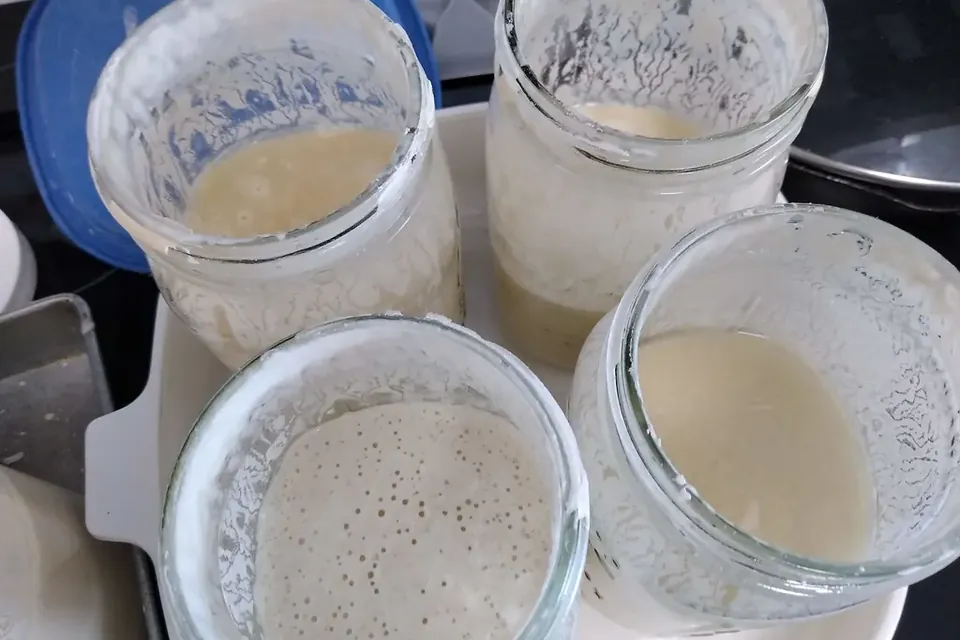 Bread & levain
Make and keep a sourdough starter
Flour, water, a jar and about a week: a day-by-day method, signs of readiness and fixes for a sluggish culture.
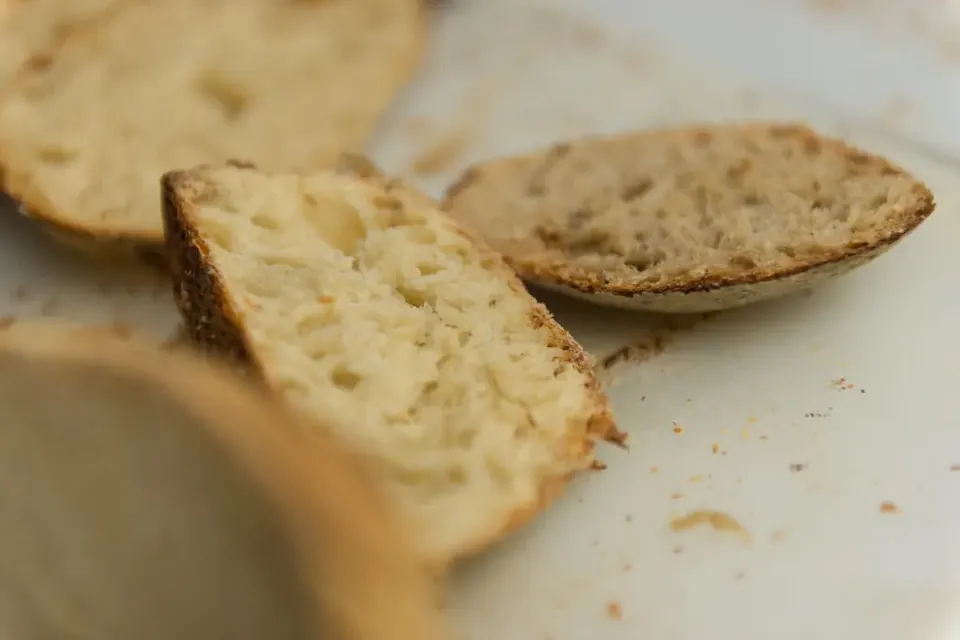 Recipes
Country levain loaf
Bread flour, a little whole wheat, water, salt and levain: a two-day timetable and every step explained.
 Markets & seasons
Seasonal produce calendar
Rhubarb in May, strawberries in June, sweet corn in August, apples in autumn: a month-by-month guide to the Minnesota harvest.