Living in Linden Hills (and other Minneapolis neighbourhoods): what to know before you rent
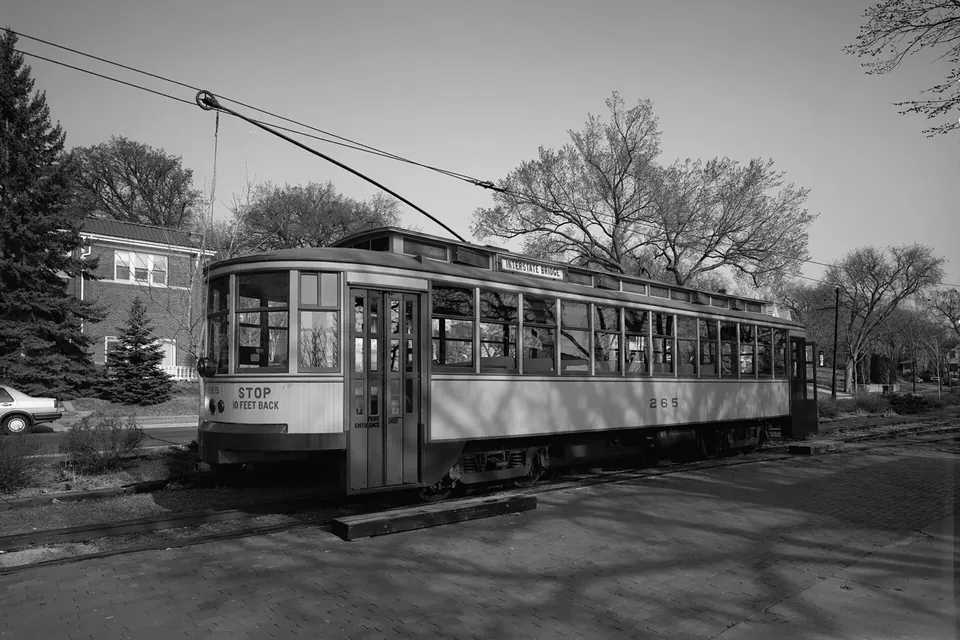
Linden Hills is the kind of neighbourhood people fall for on a summer walk: the lake at the end of the street, a short shopping strip, a library and a streetcar station. Renting there, or anywhere else in Minneapolis, works best when you know the local rules before you fall for a particular flat. This guide sets out what to check, with the official sources behind each point.
Know the neighbourhood you are renting in
Linden Hills covers about 1.4 square miles between Bde Maka Ska, Lake Harriet, West 47th Street and France Avenue, with roughly 7,800 residents at the 2020 census (Minnesota Compass). Most of the housing is single-family homes built in the first half of the twentieth century; apartment buildings and flats above shops are concentrated around the commercial streets at 43rd and Upton and along the busier roads. That has two consequences for renters: there are fewer units than in denser neighbourhoods such as Uptown or Downtown, and many rentals are in small buildings, duplexes or houses owned by individual landlords rather than large management companies. Our history of Linden Hills explains how the streetcar shaped that pattern.
If Linden Hills itself is tight, the neighbouring areas of the Southwest community, such as Fulton, Armatage, Kingfield and East Harriet, share some of its character. Walk the blocks at different times of day before you decide.
Before you book viewings, browse apartments for rent in the two or three neighbourhoods on your shortlist and note their asking rents against the city-wide median below, so you can tell a fair price from an optimistic one.
Rent levels: what the official figures say
The US Census Bureau's American Community Survey publishes rent estimates for every city. For Minneapolis, the QuickFacts profile gave a median gross rent of $1,329 a month for 2019–2023. "Gross rent" includes utilities paid by the tenant, and the figure covers all rented homes, old leases and new. A newly listed one-bedroom in a sought-after lakeside neighbourhood will often be above that median, while long-standing leases pull it down. Use the Census figure as a reference point, not a quote, and look for the latest release on the same page, since the Bureau updates the five-year estimates each year.
As of October 2026, Minneapolis has no rent stabilization ordinance in force: voters approved a charter amendment in 2021 allowing the City Council to adopt one, but no ordinance had been enacted. Check the city's housing policy pages for any change. Saint Paul, across the river, does have a rent stabilization ordinance, approved by voters in 2021 and amended since; if you are weighing the two cities, read the current rules on the City of Saint Paul's rent stabilization page.
Check the rental licence
In Minneapolis, a rental dwelling must hold a city rental licence, whether it is a large apartment block, a single-family house or a unit in an owner-occupied duplex. The licence matters because it brings the property into the city's inspection system. Each licensed building is placed in a tier based on code violations found over the previous two years: Tier 1 for properties with few or no problems, Tier 2 and Tier 3 for those with more. Tier 1 buildings are inspected every eight years, Tier 2 every five years and Tier 3 every year, according to the city's rental licence tiers page. The city publishes tiers online, and the tier appears on the licence certificate.
Before you sign, ask the landlord for the licence number, look the address up, and treat an unlicensed rental or a Tier 3 rating as a reason to ask more questions. The city's 311 service (612-673-3000) can help if you cannot find a property.
Applications, screening and deposits
Minnesota's Landlords and Tenants: Rights and Responsibilities handbook, published by the Attorney General's Office, is the plain-language reference for the state rules. Landlords must give tenants notice that it exists. Key points for applicants, from its chapter on entering a lease:
- Screening fees. Before taking a fee, a landlord must tell you in writing which screening service is used and what the criteria are. A landlord may not take a fee when no unit is available, and must refund it if you are rejected for a reason not in the disclosed criteria (Minn. Stat. § 504B.173).
- Pre-lease deposits to hold a unit must be agreed in writing, explaining when the money is kept or returned (§ 504B.175).
- Written leases are required in buildings of 12 or more units, and you are entitled to a copy of any written lease you sign.
- Security deposits. State law sets no maximum, but Minneapolis caps deposits at one month's rent under its 2019 renter protections ordinance; the city's Renter Protections guide also explains its rules on screening criteria.
At the end of a tenancy, the landlord must return the deposit with 1% simple interest within 21 days, provided you have given a forwarding address, or explain in writing why any part is withheld (§ 504B.178). Photograph the flat when you move in and keep the pictures.
Your rights during the tenancy
The handbook's chapter on the tenancy lists rights that a lease cannot take away:
- Repairs. The landlord must keep the home in reasonable repair, comply with health and safety codes and supply heat of at least 68°F from 1 October to 30 April, which matters in a Minnesota winter (§ 504B.161).
- Entry. Except in emergencies, a landlord needs a reasonable business purpose and must give at least 24 hours' notice, entering between 8 a.m. and 8 p.m. unless you agree otherwise (§ 504B.211).
- Late fees must be agreed in writing and may not exceed 8% of the overdue rent (§ 504B.177).
- Rent escrow. If repairs are not made, tenants can pay rent to the court instead of the landlord and ask a judge to order repairs (§ 504B.385).
- Before an eviction for unpaid rent, landlords must give 14 days' written notice, including information on financial and legal help, under a rule in force since 1 January 2024 (§ 504B.321).
To end a month-to-month tenancy without a set notice period in the lease, written notice must reach the other party at least one full rental period before the end date (§ 504B.135). Read your lease for automatic renewal clauses and notice dates well before a fixed term ends.
Getting around from Linden Hills
Car ownership is not essential in Linden Hills if your daily trips run towards Uptown, Downtown or the University. The METRO E Line bus rapid transit route, which opened on 6 December 2025, runs between the University of Minnesota and Southdale via Hennepin Avenue, West 44th Street and France Avenue (Metro Transit). The lakes connect to the Grand Rounds trails for cycling. Our guide to getting around the Twin Cities without a car has the details. Winter changes everything, so check how a building handles snow removal, whether parking is off-street, and how the city's snow emergency rules affect street parking on your block.
Before you sign: a checklist
- Licence number and inspection tier looked up on the city's site.
- Screening criteria and fee disclosure received in writing.
- Deposit no more than one month's rent; receipt and move-in photos kept.
- Who pays heat and electricity, and what last winter's bills were.
- Snow removal, parking and laundry arrangements in writing.
- A copy of the signed lease and of the Attorney General's handbook notice.
Where to get help
For general questions, start with the Attorney General's handbook and the City of Minneapolis rental pages. For disputes, Hennepin County's Housing Court and nonprofit legal aid organisations can advise; for discrimination complaints, the Minnesota Department of Human Rights. This guide is general information, not legal advice.
Sources
- Office of the Minnesota Attorney General: Landlords and Tenants: Rights and Responsibilities, chapters 1 to 4.
- City of Minneapolis: Rental licence tiers; Renter Protections guide.
- US Census Bureau: QuickFacts, Minneapolis city (American Community Survey, 2019–2023).
- Minnesota Compass: Linden Hills profile.
- Metro Transit: METRO E Line opening.
- City of Saint Paul: Rent stabilization.
 Neighbourhoods
Linden Hills, from streetcar suburb to village
Lake cottages, a streetcar loop and a 1920s shopping street: how Linden Hills got its small-town feel inside the city.
 Living here
Getting around without a car
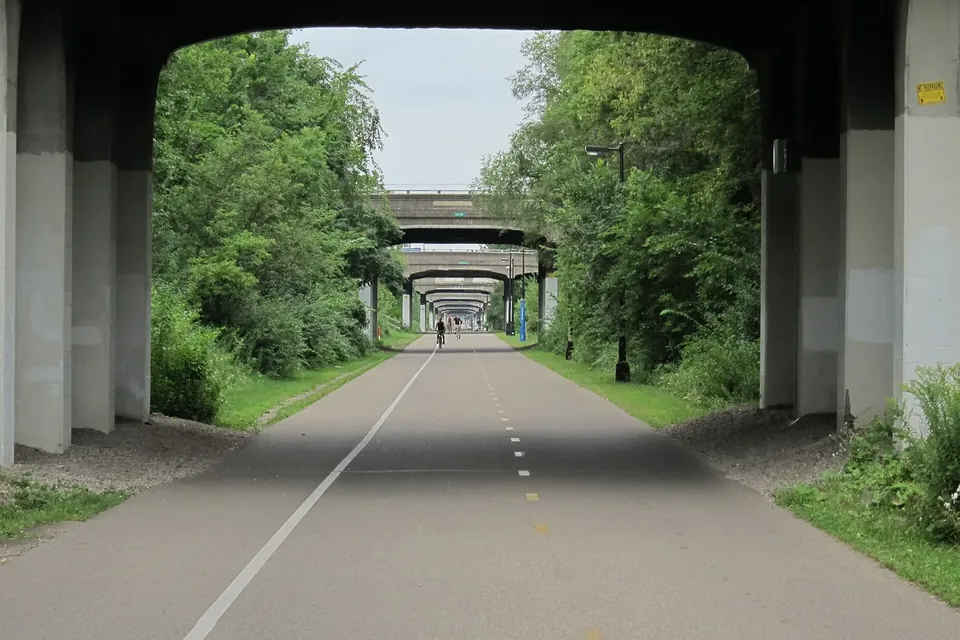
Light rail, the new bus rapid transit lines, the Greenway and the Grand Rounds: how to reach the Twin Cities' food streets car-free.
 Markets & seasons
Twin Cities farmers markets, 2026
The big markets and the neighbourhood ones, with their published 2026 days, hours, addresses and winter schedules.